
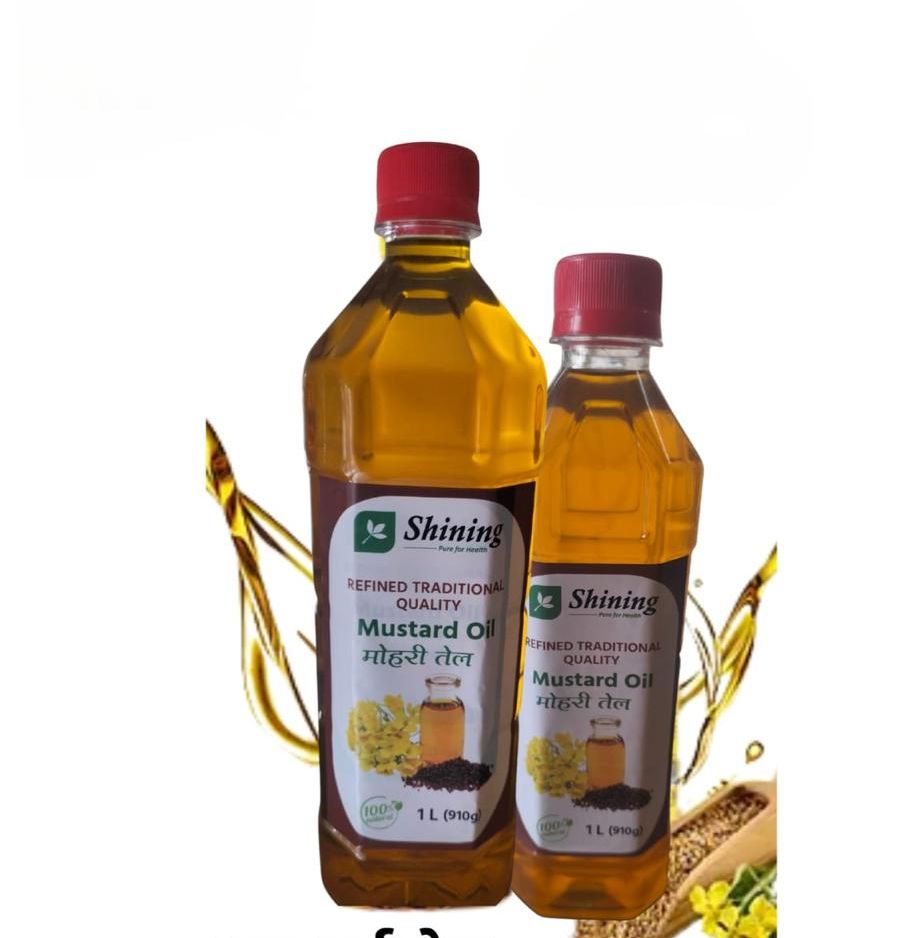
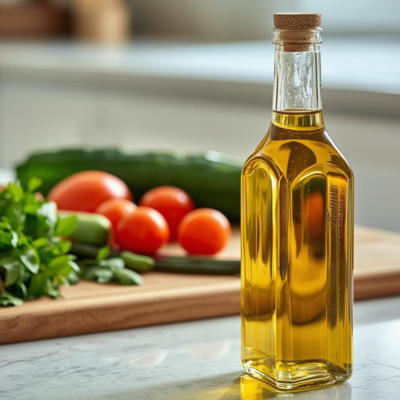
India has emerged as a significant player in the global edible oil market, supplying high-quality oils to countries across Asia, Africa, Europe, and the Middle East. Edible Oil Exporters in India for Global Markets With a strong agricultural base, advanced processing facilities, and competitive pricing, edible oil exporters in India are gaining recognition for their consistency and reliability.
From sunflower oil to groundnut oil, soybean oil to mustard oil, Indian exporters are catering to diverse international requirements while maintaining strict quality standards.
Why India is a Leading Exporter of Edible Oils
1. Strong Agricultural Foundation
India is one of the largest producers of oilseeds such as soybeans, groundnuts, mustard, and sesame. This abundance ensures a stable supply chain for exporters.
2. Advanced Processing Technology
Modern extraction and refining technologies help maintain purity, nutritional value, and international quality standards.
3. Competitive Pricing
Lower production costs and efficient logistics allow Indian exporters to offer competitive prices in global markets.
4. Government Support
Initiatives like APEDA and export incentives encourage businesses to expand globally.
Types of Edible Oils Exported from India
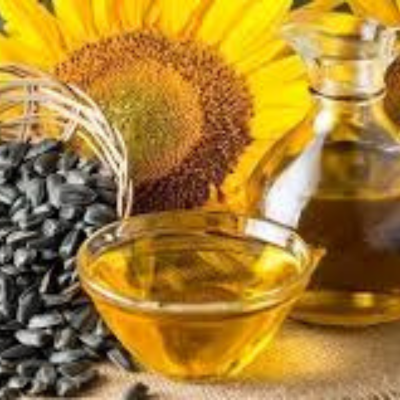
1. Sunflower Oil
Widely used for cooking due to its light texture and health benefits.
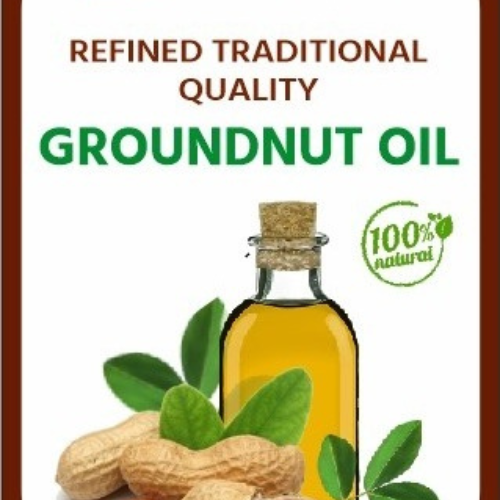
2. Groundnut Oil
Known for its rich flavor and high smoke point, ideal for frying.
3. Soybean Oil
Popular in bulk supply due to its affordability and versatility.
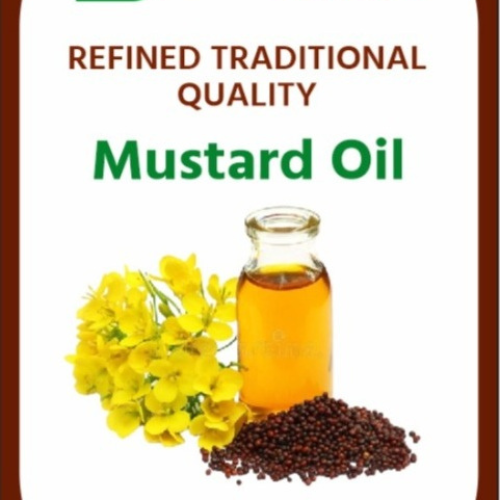
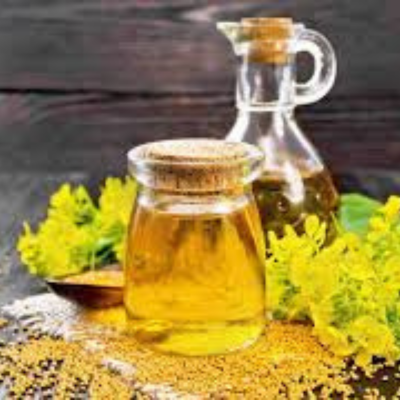
4. Mustard Oil
Highly demanded in Asian markets for its strong aroma and health properties.
5. Sesame Oil
Preferred for premium and health-conscious markets.
Global Demand for Indian Edible Oils
The demand for edible oil exporters in India is increasing due to:
- Growing global population
- Rising health awareness
- Demand for plant-based oils
- Expansion of food processing industries
Indian exporters serve countries like UAE, Saudi Arabia, Bangladesh, Vietnam, and several African nations.
Quality Standards and Certifications
Top exporters maintain strict compliance with international standards:
- FSSAI Certification
- ISO Certification
- HACCP Compliance
- APEDA Registration
These certifications ensure food safety, hygiene, and global acceptance.
Export Process of Edible Oil from India
Step 1: Sourcing Raw Materials
High-quality oilseeds are sourced from trusted farmers.
Step 2: Processing & Refining
Oil extraction, filtration, and refining are done using modern technology.
Step 3: Quality Testing
Each batch undergoes strict quality checks.
Step 4: Packaging
Bulk packaging in drums, flexitanks, or customized containers.
Step 5: Documentation
Includes invoice, packing list, certificate of origin, and other export documents.
Step 6: Shipping
Products are shipped via sea or air freight depending on client requirements.
Advantages of Choosing Indian Exporters
- Consistent Quality
- Competitive Pricing
- Custom Packaging Options
- Timely Delivery
- Strong Global Network
How to Choose the Right Edible Oil Exporter
When selecting an exporter, consider:
- Experience in international trade
- Certifications and compliance
- Product range
- Client reviews and reputation
- Logistics and delivery capability
Challenges in Edible Oil Export
Despite growth, exporters face challenges like:
- Fluctuating raw material prices
- Regulatory changes
- Logistics disruptions
- Currency fluctuations
However, experienced exporters effectively manage these risks.
Future of Edible Oil Export from India
The future looks promising due to:
- Increasing global demand
- Expansion of processing facilities
- Focus on organic and sustainable oils
- Technological advancements in logistics
India is expected to become one of the top global suppliers in the coming years.
Contact Now
Address: Shop No.5,Shivnath Heights, Rangicha Odha, Manjri Bk,Pune-412307
Call Now: +91 9765651590 / 9309478372
Email: shiningoilentpune@gmail.com